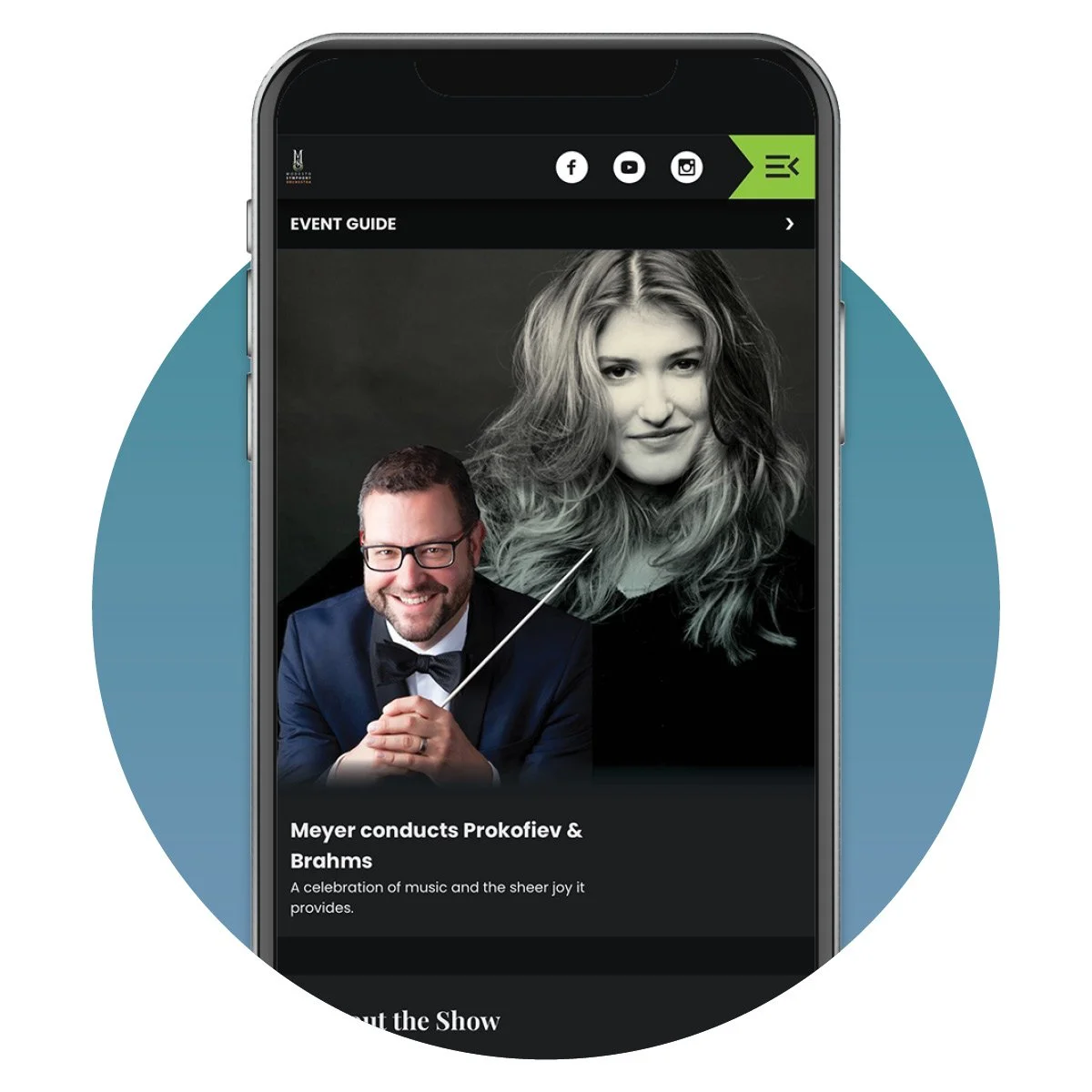
Meyer conducts Prokofiev & Brahms
April 1 & 2, 2022 at 7:30 pm
VISIT MOBILE PROGRAM →
READ OUR PROGRAM NOTES →
DOWNLOAD PRINTABLE VERSION →
Modesto Symphony Orchestra
Meyer conducts Prokofiev & Brahms
Friday, April 1, 2022 at 7:30 pm
Saturday, April 2, 2022 at 7:30 pm
Gallo Center for the Arts, Mary Stuart Rogers Theater

Program
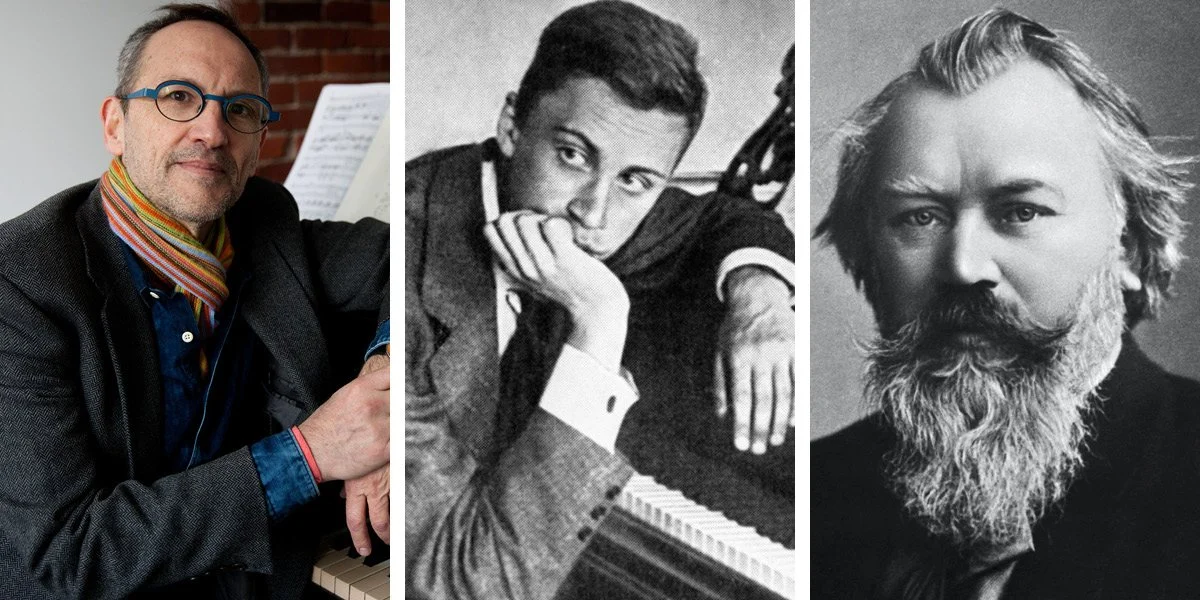
Osvaldo Golijov (b. 1960)
Sidereus (2010)
Sergei Prokofiev (1891-1953)
Piano Concerto No. 3 in C major, Op. 26
Alexander Korsantia, piano
I. Andante– Allegro
II. Tema con variazioni
III. Allegro, ma non troppo
INTERMISSION
Johannes Brahms (1833-1897)
Symphony No. 1 in C minor, Op. 68 (1876)
I. Un poco sostenuto— Allegro – Meno allegro
II. Andante sostenuto
III. Un Poco Allegretto e Grazioso
IV. Adagio — Più andante — Allegro non troppo, ma con brio – Più allegro
Join Mobile MSO!
Text “PIANO” to (209) 780-0424
to receive a link to the concert program & text message updates prior to this performance!
By texting to this number, you may receive messages that pertain to the Modesto Symphony Orchestra and its performances. msg&data rates may apply. Reply HELP for help, STOP to cancel.
About this Performance


Korngold & Dvorak
March 4 & 5, 2022 at 7:30 pm
VISIT MOBILE PROGRAM →
READ OUR PROGRAM NOTES →
DOWNLOAD PRINTABLE VERSION →
Modesto Symphony Orchestra
Korngold & Dvorak
Friday, March 4, 2022 at 7:30 pm
Saturday, March 4, 2022 at 7:30 pm
Gallo Center for the Arts, Mary Stuart Rogers Theater

Program
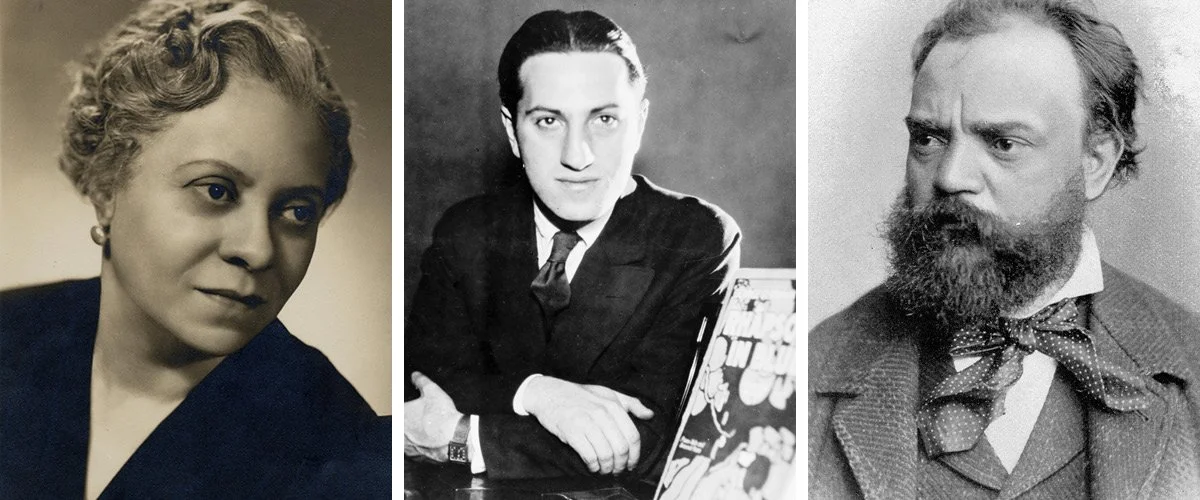
George Walker (1922-2018)
Lyric for Strings (1946)
Erich Wolfgang Korngold (1897-1957)
Concerto in D Major for Violin, op. 35 (1945)
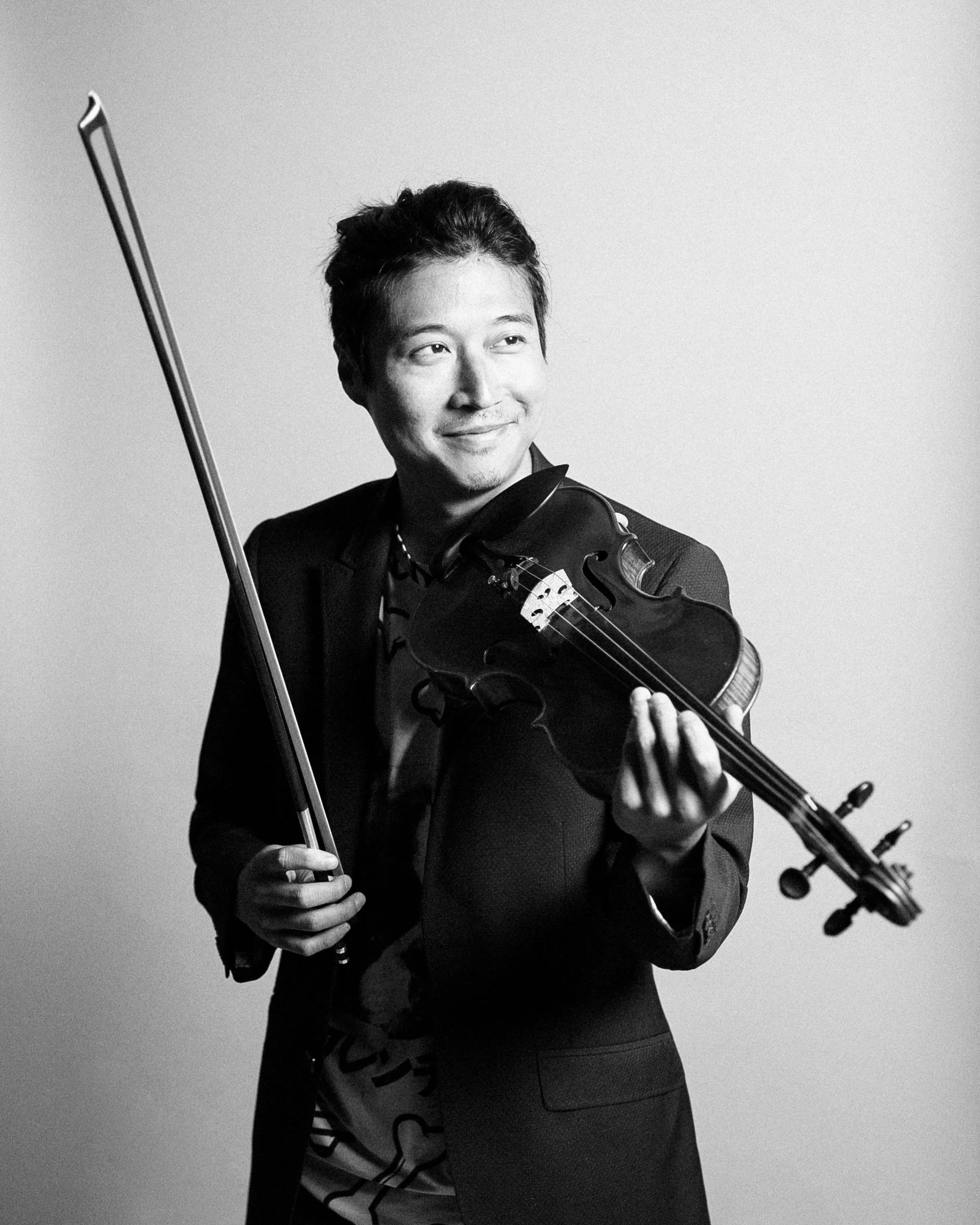
Charles Yang, violin
I.Moderato nobile
II. Romance: Andante
III. Allegro assai vivace
INTERMISSION
Antonín Dvořák (1841-1904)
Symphony No.8 in G major, Op. 88 (1889)
I.Allegro con brio
II. Adagio
III. Allegretto grazioso
IV. Allegro ma non troppo
Join Mobile MSO!
Text “VIOLIN” to (209) 780-0424
to receive a link to the concert program & text message updates prior to this performance!
By texting to this number, you may receive messages that pertain to the Modesto Symphony Orchestra and its performances. msg&data rates may apply. Reply HELP for help, STOP to cancel.
About this Performance


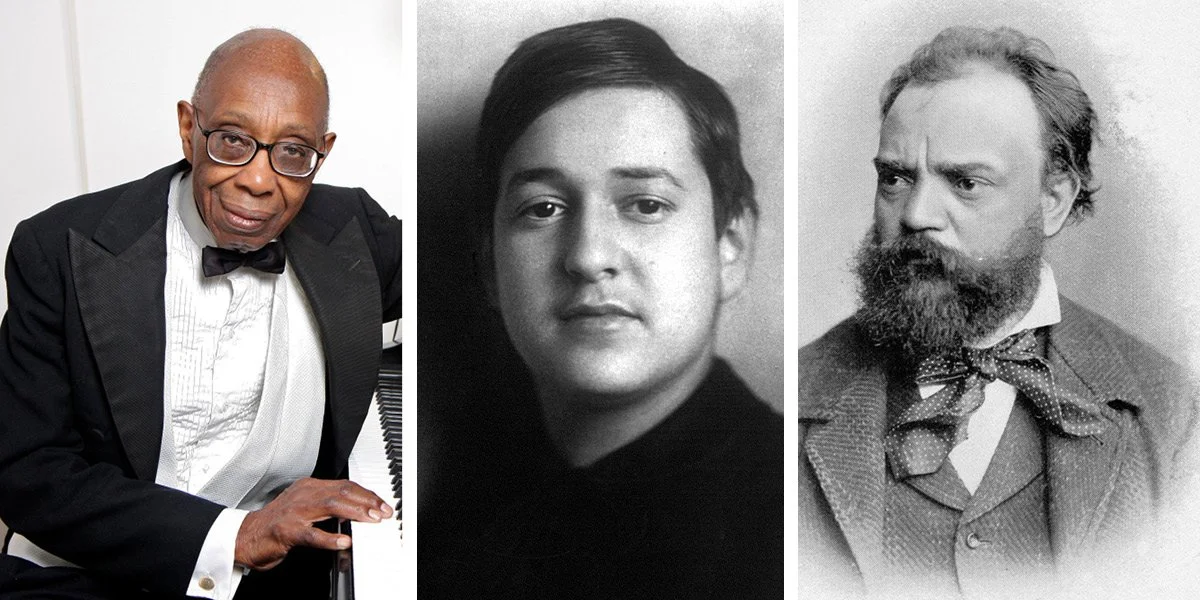
Program Notes: Korngold & Dvorak
Notes about:
George Walker’s Lyric for Strings
Erich Korngold’s Concerto in D major for Violin
Antonin Dvorak’s Symphony No. 8
Program Notes for Korngold & Dvorak
George Walker
Lyric for Strings

Composer: b. June 22, 1922, Washington, D.C.; died August 23, 2018, Montclair, NJ
Work composed: 1946. Dedicated “to my grandmother.”
World premiere: 1946. Seymour Lipkin led a student orchestra from the Curtis Institute of Music in a radio concert.
Instrumentation: string orchestra
Estimated duration: 6 minutes
For most of a century, despite the systemic pervasive racism he encountered, George Theophilus Walker sustained three successful careers in performance, composition, and teaching. After graduating from Oberlin Conservatory, Walker attended the Curtis Institute, becoming the first Black student to earn an Artist’s Diploma in piano and composition. At Curtis, Walker studied piano with Rudolf Serkin and composition with Gian Carlo Menotti. Walker continued his education at the Eastman School of Music, where he earned a D.M.A. in composition, the first Black composer to do so. In the 1950s, Walker traveled to Paris to study composition with the influential composition teacher Nadia Boulanger.
Walker’s life list of accomplishments includes many more “firsts:” he was the first Black instrumentalist to play a recital in New York’s Town Hall; the first Black soloist to perform with the Philadelphia Orchestra under Eugene Ormandy, and the first Black instrumentalist to obtain major concert management, with National Concert Artists. In 1996, Walker became the first Black composer to win the Pulitzer Prize in Music for his Lilacs for Voice and Orchestra, a setting of Walt Whitman’s poem, “When Lilacs Last in the Dooryard Bloom’d.” In 2000, Walker was elected to the American Classical Music Hall of Fame, the first living composer so honored.
Like Samuel Barber’s Adagio for Strings, Walker’s Lyric for Strings – initially titled Lament for Strings – began as a movement for string quartet. Walker wrote his String Quartet No. 1 in 1946 as a graduate student at the Curtis Institute. He dedicated the Lament to his grandmother, who had died the previous year. The quartet premiered on a live radio performance of Curtis’ student orchestra in 1946, and the following year received its concert premiere at the National Gallery of Art in Washington, D.C.
Walker subsequently gave the second movement a new title, Lyric for Strings, and as a stand-alone piece, it quickly became one of the most regularly programmed works by a living composer. Melodies interweave among the instruments, and the pensive atmosphere reflects both the composer’s anguish at the passing of his beloved grandmother, as well as the joy her memory evokes. The serene melodies and lush harmonic underpinnings suggest an expressive but never mawkish sense of love and loss.
Erich Wolfgang Korngold
Violin Concerto in D major, Op. 35

Composer: born May 29, 1897, Vienna; died November 29, 1957, Hollywood, CA
Work composed: 1937-1945. Commissioned by violinist Bronisław Huberman. Dedicated to Gustav Mahler’s widow, Alma Mahler-Werfel.
World premiere: February 15, 1947. Vladimir Golschmann led the St. Louis Symphony with Jascha Heifetz as soloist.
Instrumentation: solo violin, 2 flutes (1 doubling piccolo), 2 oboes (1 doubling English horn), 2 clarinets, bass clarinet, 2 bassoons (1 doubling contrabassoon), 4 horns, 2 trumpets, trombone, timpani, bass drum, cymbals, glockenspiel, vibraphone, xylophone, celesta, harp, and strings.
Estimated duration: 24 minutes
Erich Korngold was a man out of time. Had he been born a century earlier, his romantic sensibilities would have aligned perfectly with the musical and artistic aesthetics of the 19th century. Instead, Korngold grew up in the tumult of the early 20th century, when his tonal, lyrical style had been eclipsed by the horrors of WWI and the stark modernist trends promulgated by fellow Viennese composers Arnold Schoenberg, Alban Berg, and Anton Webern.
Korngold’s prodigious compositional talent emerged early. At age ten, he performed his cantata Gold for Gustav Mahler, whereupon the older composer called him “a genius.” When Korngold was 13, just after his bar mitzvah, the Austrian Imperial Ballet staged his pantomime The Snowman. In his teens, Korngold received commissions from the Leipzig Gewandhaus Orchestra; pianist Artur Schnabel performed Korngold’s Op. 2 Piano Sonata on tour, and Korngold also began writing operas, completing two full-scale works by age eighteen. At 23, Korngold’s opera Die tote Stadt (The Dead City) brought him international renown; it was performed in 83 different opera houses.
But by the 1920s, composers had fully embraced modernism. The music of Korngold’s contemporaries bristled with dissonance, unexpected rhythms, and often little that resembled a recognizable melody. Korngold’s music reflected an earlier, bygone era, and his unabashed Romanticism was dismissed as hopelessly out of date. Fortunately for Korngold, around this same time a new forum for his lush expressiveness emerged: film scores. In 1934, director Max Reinhardt invited Korngold to write a score for his film of A Midsummer Night’s Dream. Korngold subsequently moved to Hollywood, where he spent the next dozen years composing scores for 18 films, including his Oscar-winning music for Anthony Adverse (1936), and The Adventures of Robin Hood starring Errol Flynn, Olivia de Havilland, and Claude Rains (1938).
While some composers and critics, then as now, regard film music as less significant than works written for the concert hall, Korngold did not. “I have never drawn a distinction between music for films and for operas or concerts,” he stated, and his violin concerto bears this out. The concerto is a compilation of themes from several Korngold scores, including Another Dawn (1937), Juárez (1939), Anthony Adverse, and The Prince and the Pauper (1937). Korngold’s Violin Concerto has been a favorite of both violinists and audiences everywhere since its premiere, although the New York Sun famously dismissed it as “more corn than gold.”
It was a running joke in the Korngold family that every time their family friend Bronisław Huberman saw Korngold, the Polish violinist would demand, “Erich! Where’s my concerto?” At dinner one evening in Korngold’s house in Los Angeles, Korngold responded to Huberman’s mock-serious question by going to his piano and playing the theme from Another Dawn. Huberman exclaimed, “That’s it! That will be my concerto. Promise me you’ll write it.” Korngold complied, but it was Jascha Heifetz, another child prodigy, who gave the first performance. In the program notes for the premiere, Korngold wrote, “In spite of its demand for virtuosity in the finale, the work with its many melodic and lyric episodes was contemplated rather for a Caruso of the violin than for a Paganini. It is needless to say how delighted I am to have my concerto performed by Caruso and Paganini in one person: Jascha Heifetz.”
Antonín Dvořák
Symphony No. 8 in G Major, Op. 88 [aka No. 4]
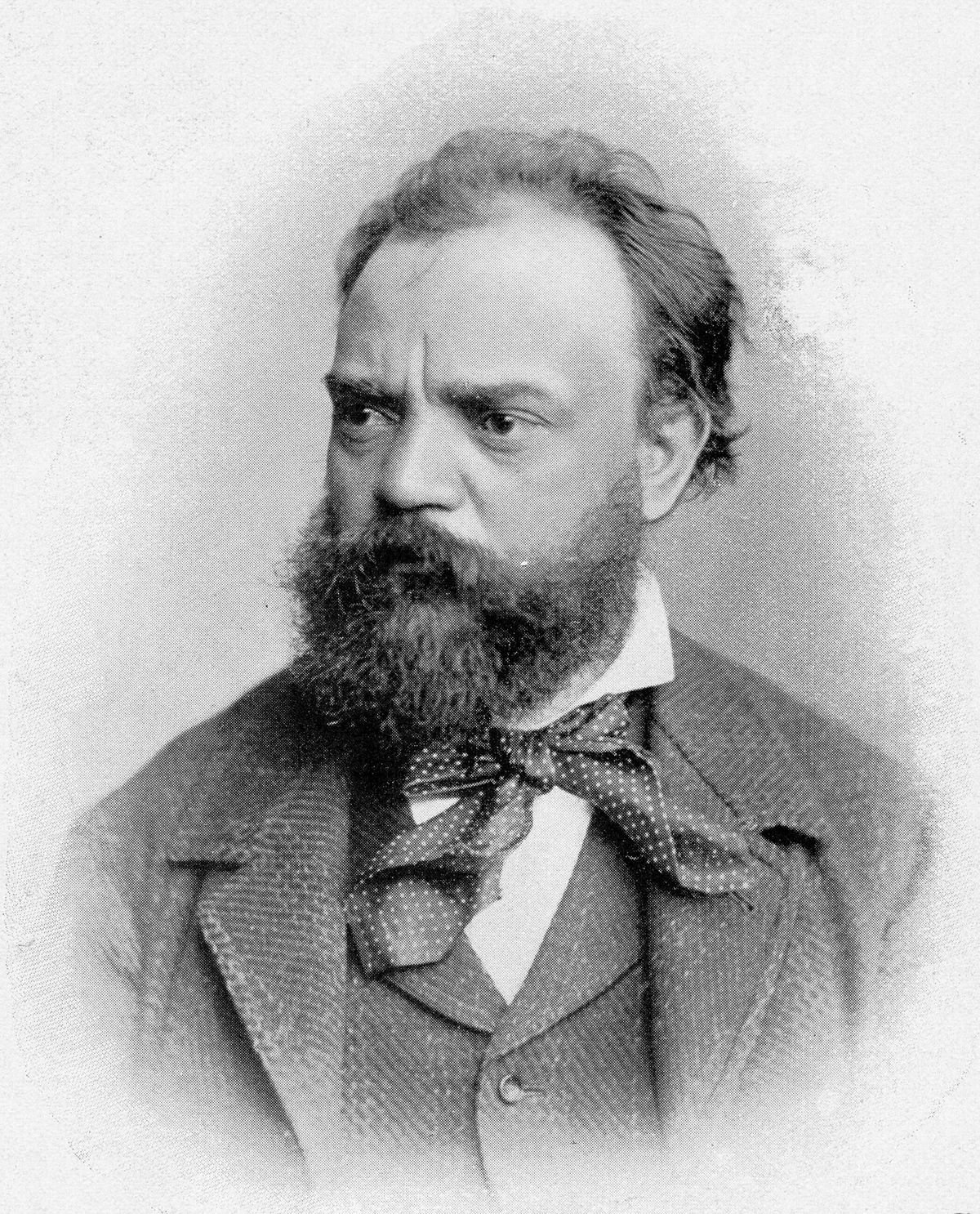
Composer: born September 8, 1841, Nelahozeves, near Kralupy (now the Czech Republic); died May 1, 1904, Prague
Work composed: Dvořák wrote the Symphony No. 8 between August 26 and November 8, 1889, at his country home, Vysoká, in Bohemia. The score was dedicated “To the Bohemian Academy of Emperor Franz Joseph for the Encouragement of Arts and Literature, in thanks for my election [to the Prague Academy].”
World premiere: Dvořák conducted the first performance in Prague on February 2, 1890.
Instrumentation: 2 flutes (1 doubling piccolo), 2 oboes (1 doubling English horn), 2 clarinets, 2 bassoons, 4 horns, 2 trumpets, 3 trombones, tuba, timpani ,and strings.
Estimated duration: 36 minutes
From its inception, Antonín Dvořák’s Symphony in G major was more than a composition; in musical terms it represented everything that made Dvořák a proud Bohemian. Trouble started when Dvořák’s German publisher, Fritz Simrock, wanted to publish the symphony’s movement titles and Dvořák’s name in German translation. This might seem like an unimportant detail over which to haggle, but for Dvořák it was a matter of cultural life and death. Since the age of 26, Dvořák had been a reluctant citizen of the Austro-Hungarian Empire, ruled by the Hapsburg dynasty. Under the Hapsburgs, Czech language and culture were vigorously repressed. Dvořák, an ardent Czech patriot who resented the Germanic norms mandated by the Empire, categorically refused Simrock’s request.
For his part, Simrock was not especially enthusiastic about publishing Dvořák’s symphonies, which didn’t sell as well as Dvořák’s Slavonic dances and piano music. Simrock and Dvořák also haggled over the composer’s fee; Simrock had paid 3,000 marks for Dvořák’s Symphony No. 7, but inexplicably and insultingly offered only 1,000 for the Eighth Symphony. Outraged, Dvořák offered his Symphony No. 8 to the London firm Novello, which published it in 1890.
The G Major symphony broke new ground from the moment of its premiere. Op. 88 was, as the composer explained, meant to be “different from the other symphonies, with individual thoughts worked out in a new way.” This “new way” refers to Dvořák’s musical transformation of the Czech countryside he loved into a unique sonic landscape. Within the music, Dvořák included sounds from nature, particularly hunting horn calls and birdsongs played by various wind instruments. Biographer Hanz-Hubert Schönzeler observed, “When one walks in those forests surrounding Dvořák’s country home on a sunny summer’s day, with the birds singing and the leaves of trees rustling in a gentle breeze, one can virtually hear the music.”
Serenity floats over the Adagio. As in the first movement, Dvořák plays with tonality; E-flat major slides into its darker counterpart, C minor. Dvořák was most at home in rural settings, and the music of this Adagio evokes the tranquil landscape of the garden at Vysoká, Dvořák’s country home. In a manner similar to Beethoven’s Pastoral Symphony, the music suggests an idyllic summer’s day interrupted by a cloudburst, after which the sun reappears, striking sparkles from the raindrops.
During a rehearsal of the trumpet fanfare in the last movement, conductor Rafael Kubelik declared, “Gentlemen, in Bohemia the trumpets never call to battle – they always call to the dance!” After this opening summons, cellos sound the main theme. Quieter variations on the cello melody feature solo flute and strings, and the symphony ends with an exuberant brassy blast.
© Elizabeth Schwartz
NOTE: These program notes are published here by the Modesto Symphony Orchestra for its patrons and other interested readers. Any other use is forbidden without specific permission from the author, who may be contacted at www.classicalmusicprogramnotes.com

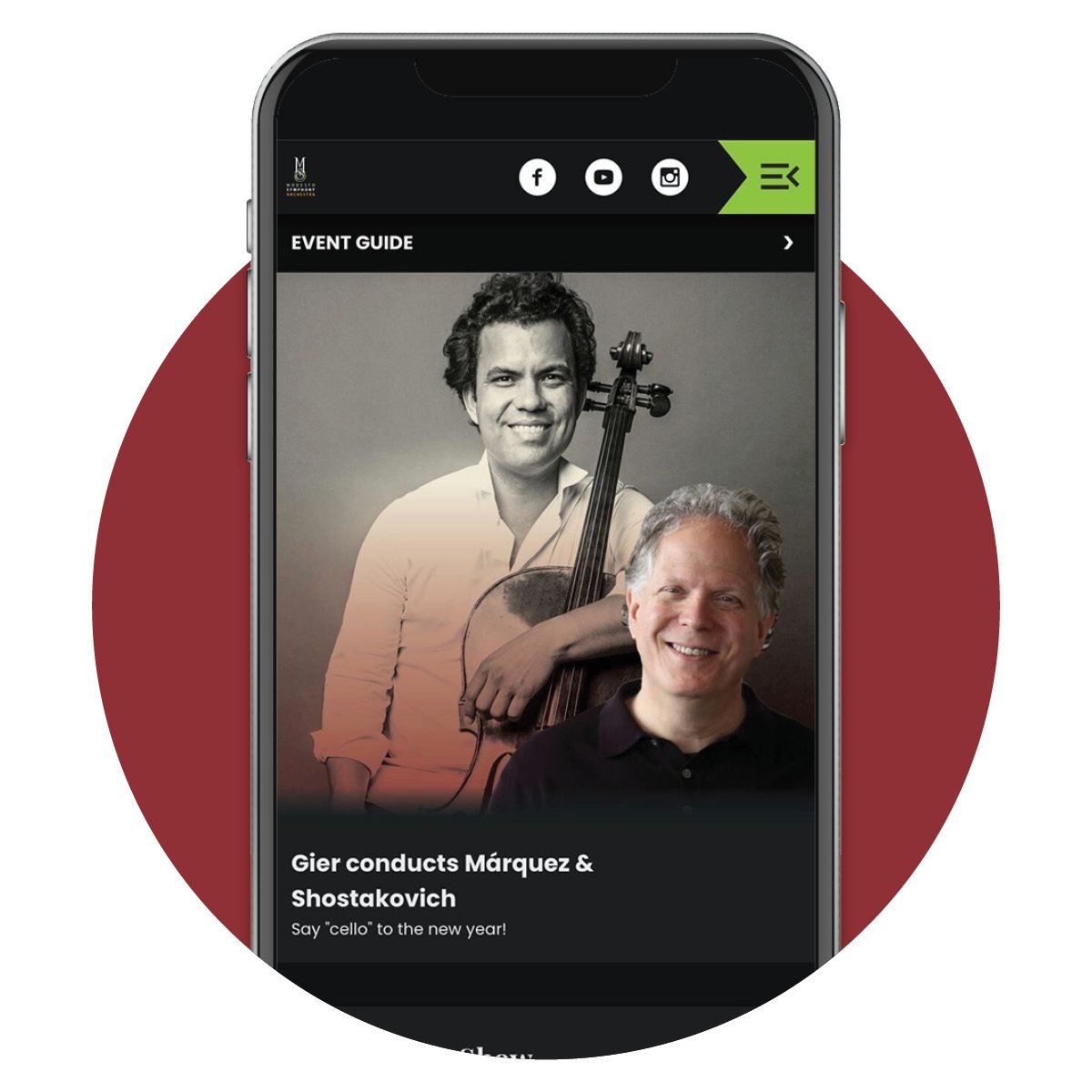
Gier conducts Márquez & Shostakovich
Modesto Symphony Orchestra
Gier conducts Márquez & Shostakovich
Friday, January 7, 2022 at 7:30 pm
Saturday, January 8, 2022 at 7:30 pm
Gallo Center for the Arts, Mary Stuart Rogers Theater
Join Mobile MSO!
Text “CELLO” to (209) 780-0424
to receive a link to the concert program & text message updates prior to this performance!
By texting to this number, you may receive messages that pertain to the Modesto Symphony Orchestra and its performances. msg&data rates may apply. Reply HELP for help, STOP to cancel.
About this Performance


Holiday Candlelight Concert
Tuesday, December 21, 2021 at 8 pm
Modesto Symphony Orchestra
Holiday Candlelight Concert
Tuesday, December 21, 2021
Doors Open at 7 pm
Concert Starts at 8 pm
St. Stanislaus Catholic Church
1200 Maze Boulevard, Modesto

Program
“Sinfony” from Messiah by George Frideric Handel
O Come, O Come, Emmanuel arranged by Alen Lohr
A Ceremony of Carols, Op. 28 by Benjamin Britten
I. Hodie Christus natus est
There Is No Rose by Rene Clausen
“Pifa” from Messiah by George Frideric Handel
O Little Town of Bethlehem arranged by Tom Kennedy
Pat-a-Pan arranged by Matthew Compton
Twas in the Moon of Wintertime arranged by Matthew Prins
Gloria by Antonio Vivaldi
I. Gloria in excelsis Deo
II. Et in terra pax hominibus
III. Laudamus te
IV. Gratias agimus tibi
VI. Domine Fili unigenite
VII. Domine Deus, Agnus Dei
VIII. Qui tollis peccata mundi
X. Quoniam tu solus sanctus
XI. Cum Sancto Spiritu
Hark! The Herald Angels Sing arranged by Ian Good
Silent Night arranged by Tom Kennedy
“Hallelujah” from Messiah by George Frideric Handel
Join Mobile MSO!
Text “CANDLELIGHT” to (209) 780-0424
to receive a link to the concert program & text message updates prior to this performance!
By texting to this number, you may receive messages that pertain to the Modesto Symphony Orchestra and its performances. msg&data rates may apply. Reply HELP for help, STOP to cancel.
About this Performance


Holiday Pops!
December 3, 2021 at 7:30 pm
December 4, 2021 at 2 pm
VISIT MOBILE PROGRAM →
DOWNLOAD PRINTABLE VERSION →
Modesto Symphony Orchestra
Holiday Pops!
Friday, December 3 at 7:30 pm
Saturday, December 4 at 2 pm
Mary Stuart Rogers Theater, Gallo Center for the Arts
Program
Holiday Overture
by James M. Stephenson, III
It’s the Most Wonderful Time of the Year
arranged by Jim Kessler
I Saw Three Ships/Jeanette, Isabella
arranged by James M. Stephenson, III
Have Yourself a Merry Little Christmas
arranged by Jim Kessler
We Need A Little Christmas
by Jerry Herman; arranged by Jim Kessler
O Come, All Ye Faithful
by Frederick Oakeley and John F. Wade; arranged by Doug Andrews
In the Bleak Midwinter
arranged by James M. Stephenson, III
Sleigh Ride
by Leroy Anderson
Think of Me
by Andrew Lloyd Webber and Charles Hart
Intermission -
A Charleston Christmas
arranged by James M. Stephenson, III
Christmas Eve/Sarajevo 12/24
by Paul O’Neill and Robert Kinkel; arranged by Bob Phillips
Silent Night Medley
arranged by Jim Kessler
The Christmas Song (Chestnuts Roasting on an Open Fire)
by Mel Torme and Robert Wells; arranged by James M. Stephenson, III
Riu, riu, chiu
attributed to Mateo Flecha the Elder
There Is No Rose
by René Clausen
The Night Before Christmas
by Randol Alan Bass
O Holy Night!
arranged and orchestrated by David T. Clydesdale
Join Mobile MSO!
Text “HOLIDAY” to (209) 780-0424
to receive a link to the concert program & text message updates prior to this weekend’s performance!
By texting to this number, you may receive messages that pertain to the Modesto Symphony Orchestra and its performances. msg&data rates may apply. Reply HELP for help, STOP to cancel.
About this Performance


MSYO Season Opening Concert
November 13, 2021 at 2 pm
Modesto Symphony Youth Orchestra
Season Opening Concert
November 13, 2021 at 2pm
Mary Stuart Rogers Theater, Gallo Center for the Arts

Program
Concert Orchestra
Donald C. Grishaw, conductor
Two Handel Marches
George Frideric Handel, arr. Merle J. Isaac
Highlights from Harry Potter
John Williams, arr. Michael Story
“Anvil Chorus” from Il Trovatore
Giuseppe Verdi, arr. Sandra Dackow
Overture from Orpheus in the Underworld
Jacques Offenbach, ed. Clark McAlister
Symphony Orchestra
Wayland Whitney, conductor
Overture from Zampa
J. Ferdinand Herold, ad. Henry Sopkin
Emperor Waltzes, Op. 437
Johann Strauss
L’Arlesienne Suite No. 2
I. Pastorale
III. Minuet
IV. Farandole
Georges Bizet, arr. Fritz Hoffmann
Join Mobile MSO!
Text “MSYO” to (209) 780-0424
to receive a link to the concert program & text message updates prior to this weekend’s performance!
By texting to this number, you may receive messages that pertain to the Modesto Symphony Orchestra and its performances. msg&data rates may apply. Reply HELP for help, STOP to cancel.
About this Performance

Enrich Your Concert Experience